Business challenges
The traditional production model had several structural weaknesses that limited the company’s responsiveness:
- Small-batch production: manual handling made the production of small quantities inefficient.
- Capital tied up in stock: the need to build up stock to ensure fast delivery times resulted in high warehousing costs.
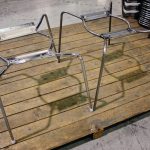
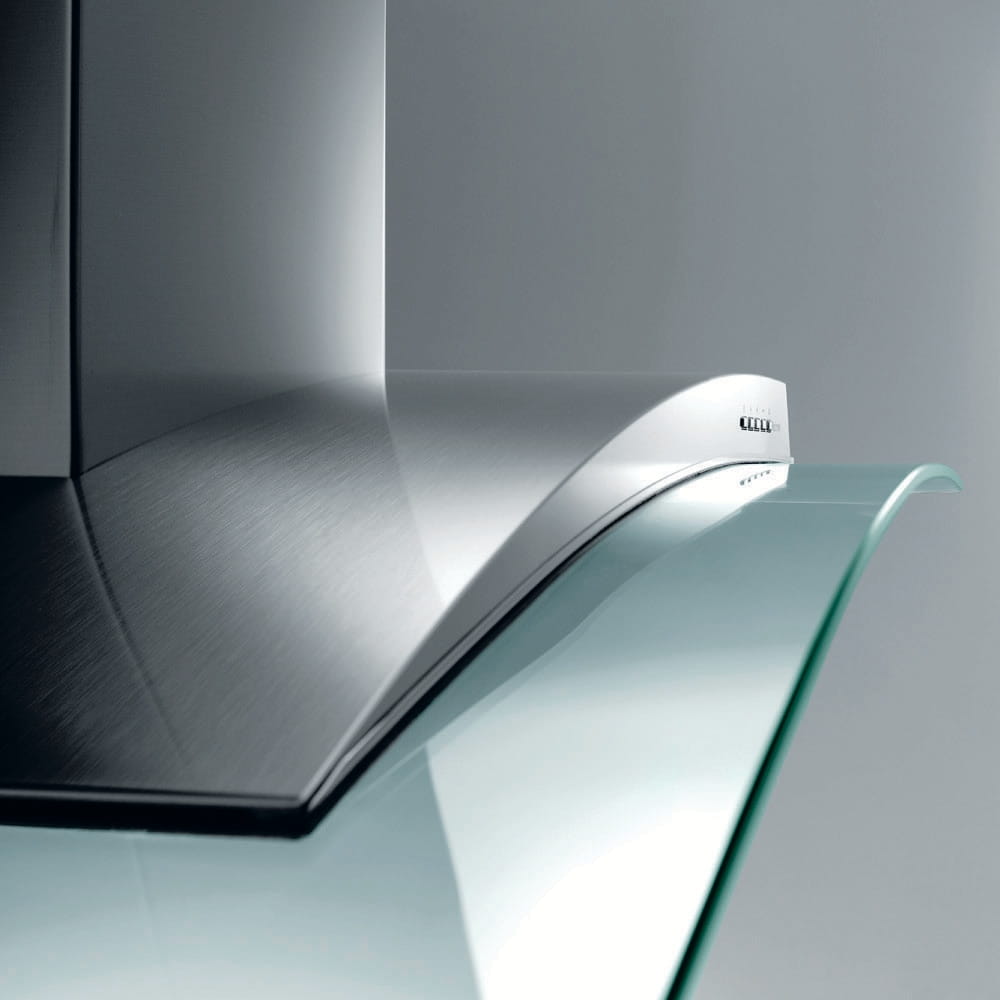
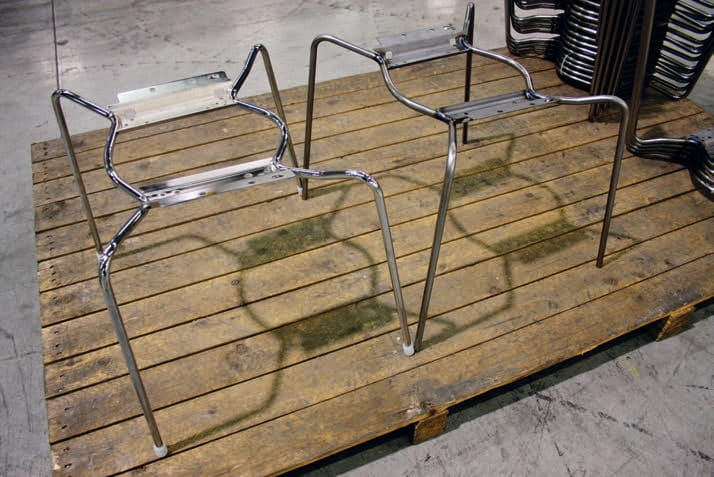
- Finish integrity: the furniture sector tolerates no imperfections; processes must be designed to accommodate critical surface treatments such as chrome plating.
The strategic solution
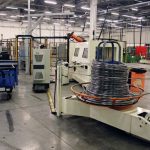
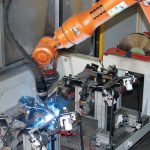
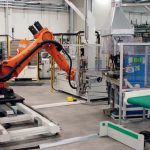
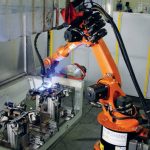
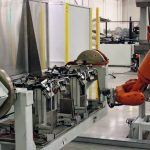
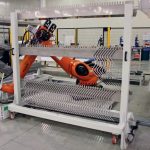
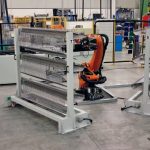
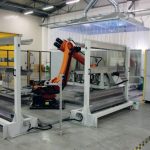
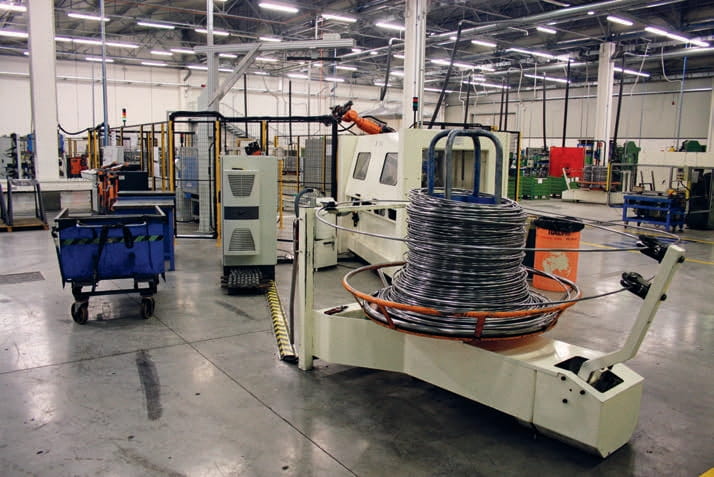
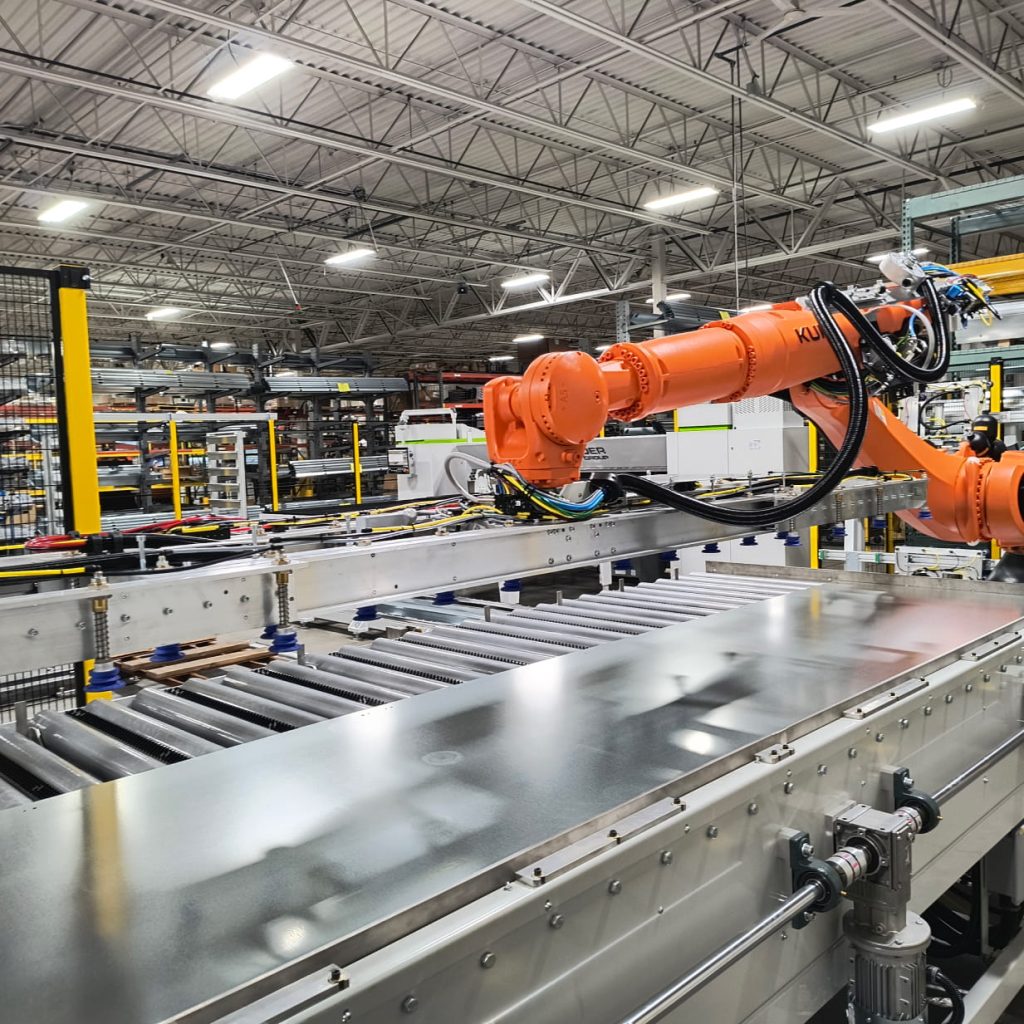
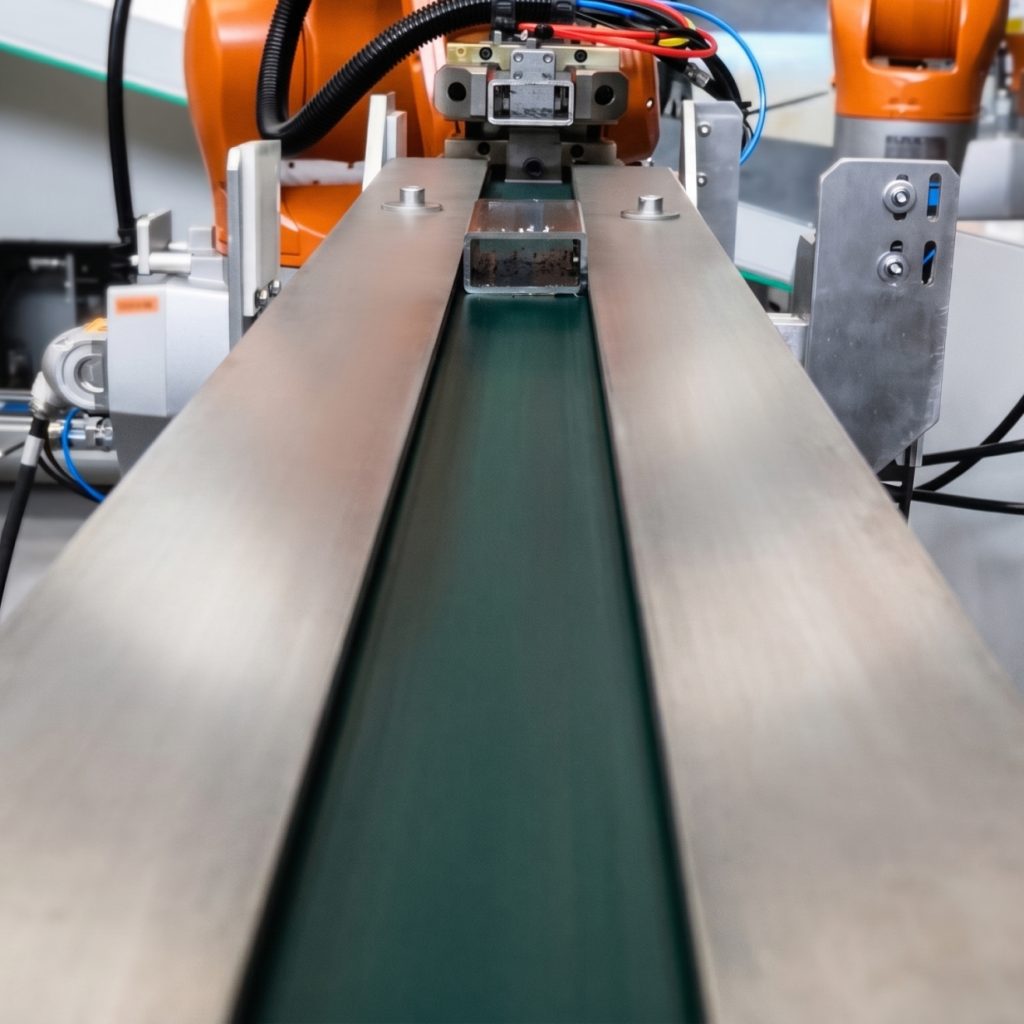
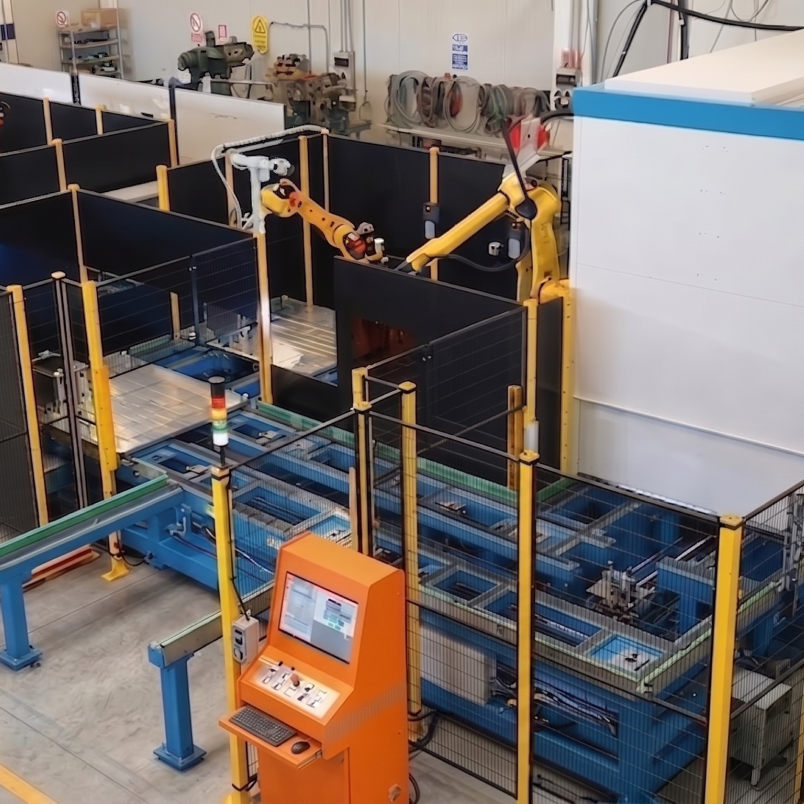
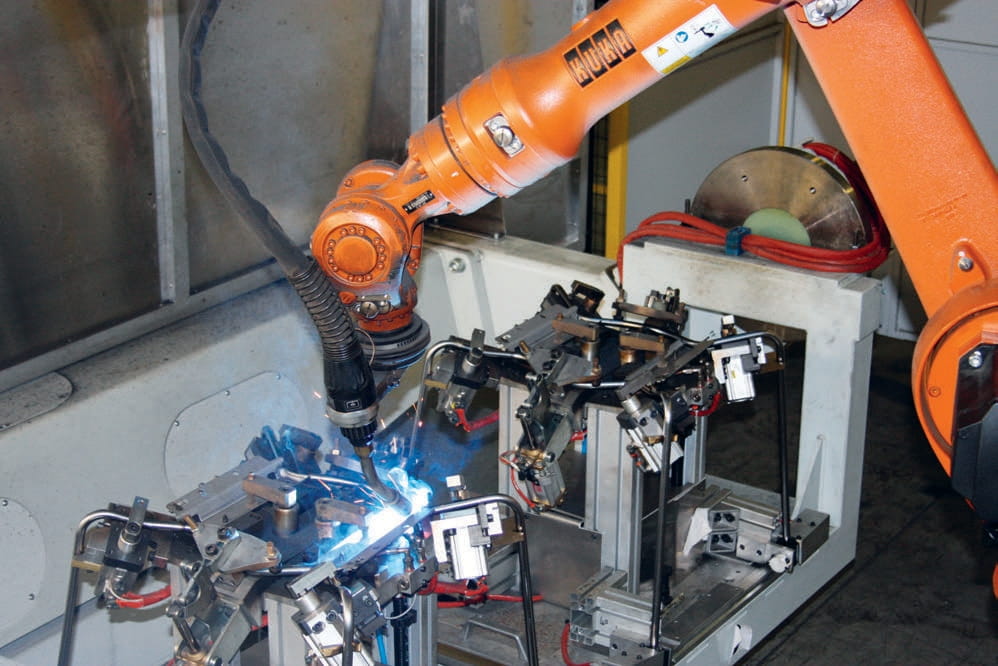
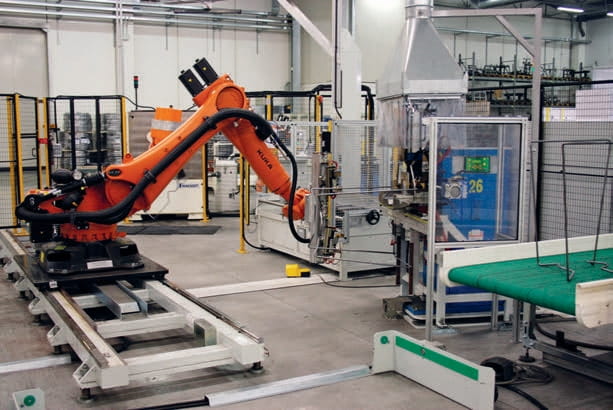
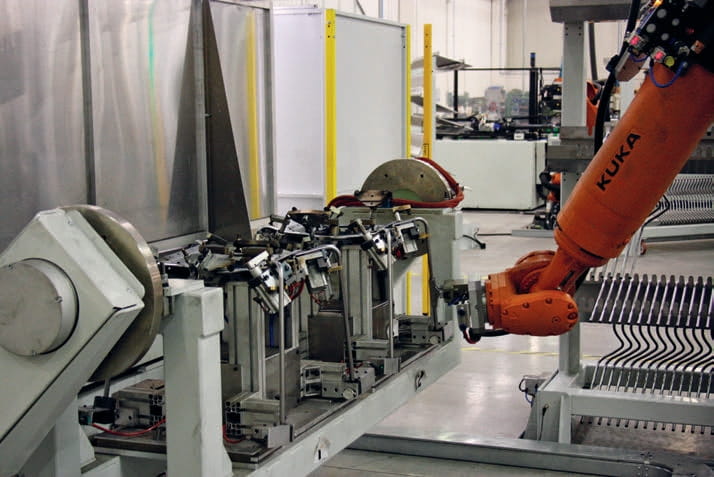
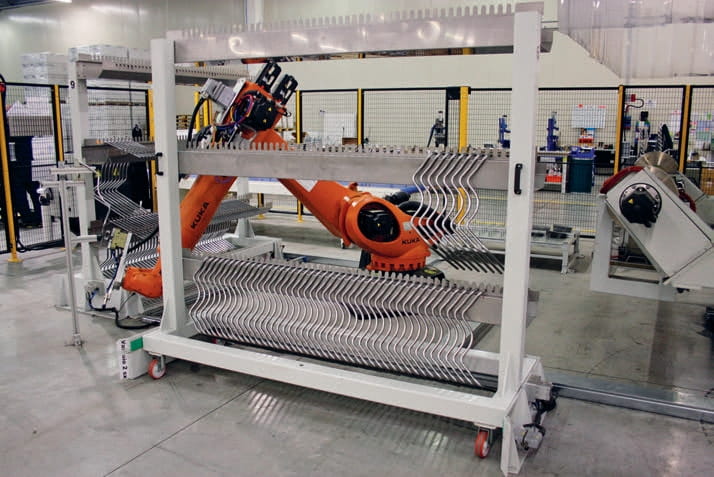
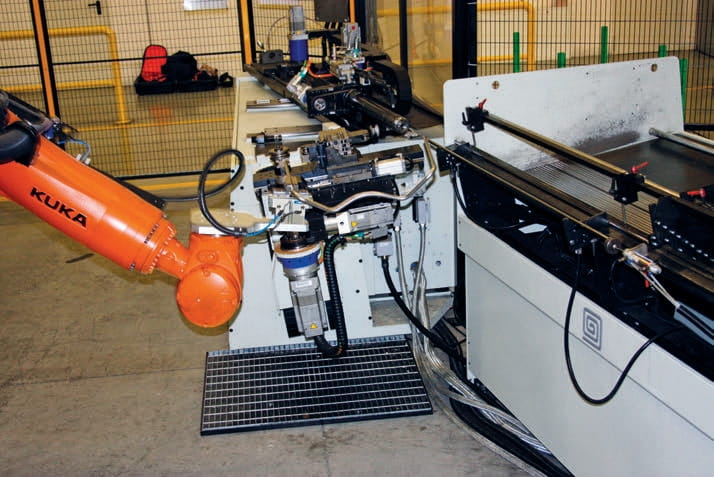
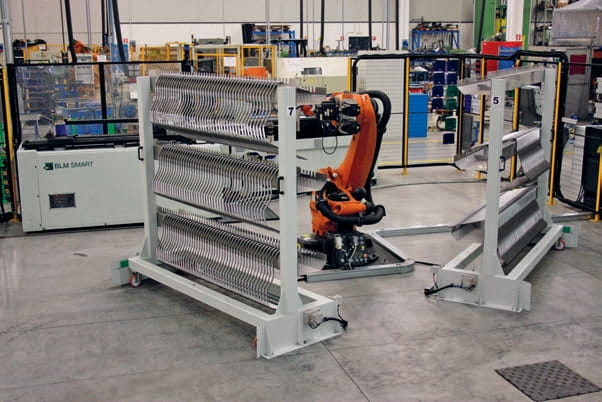
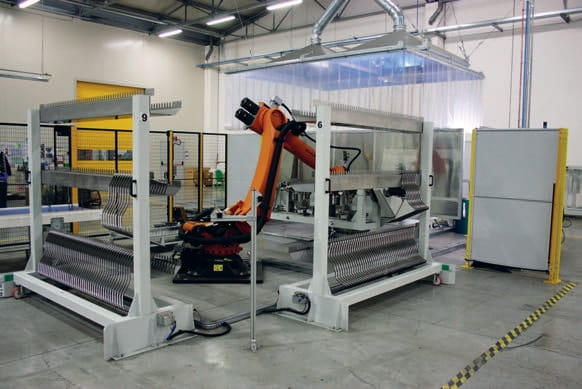
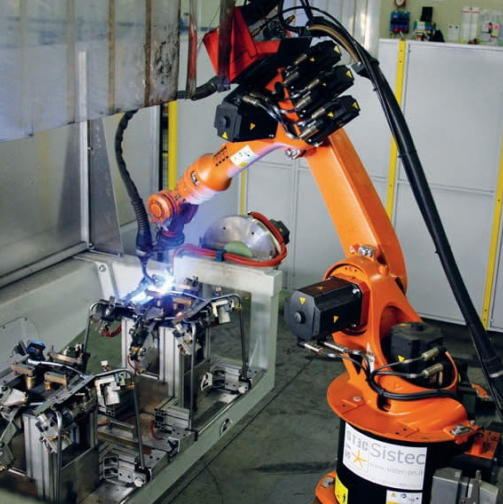
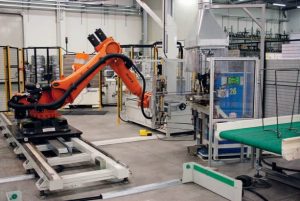
The project involved the development of an automation infrastructure based on four independent robotic cells, designed to work in synergy and ensure maximum flexibility:
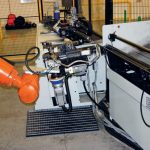
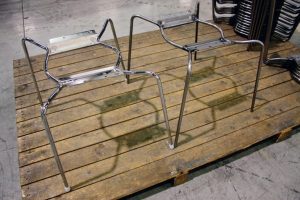
- Process integration: complete automation from the forming of the metal profile (12 mm tube and wire) through to the final weld, reducing the variables associated with manual intervention.
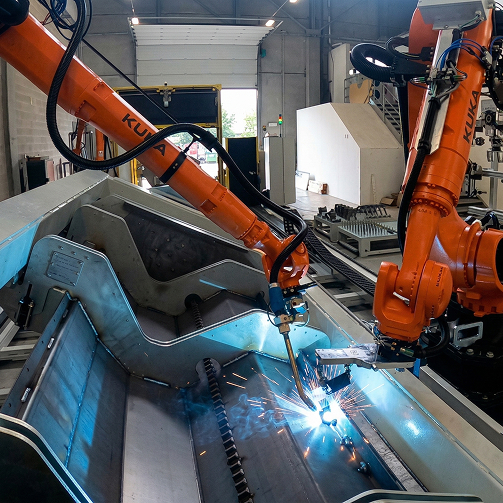
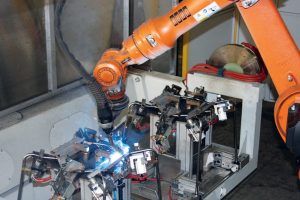
- Welding control: use of systems with dynamic parameter adjustment to ensure consistent weld bead uniformity.
- “Batch-one” production: integration with the company’s MES software allows to produce exactly what is required in real time, making even the production of very small batches viable.
Results and added value
The implementation of Industry 4.0 principles has enabled Zuccato 2 to achieve new efficiency targets:
- Production capacity: a consolidated output of approximately 7,000 units per month on a single shift.
- Cash flow optimisation: the transition to Just-in-Time has drastically reduced the need for stock.
- Quality and precision: the millimetre-level repeatability of the robotic processes has almost eliminated production waste.
- Modularity: the system is already set up for future implementations, such as the integration of autonomous guided vehicle (AGV) handling systems.
Technical architecture and performance
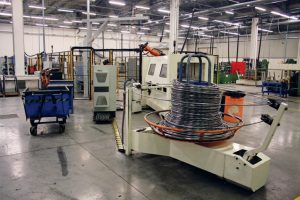
The system’s operational excellence is highlighted by a production capacity of approximately 7,000 units per month on a single shift, delivering high-volume output without compromising precision. At the technological core of the plant are four independent yet synergistic robotic cells, engineered to work autonomously or in perfect coordination.
This setup allows for highly flexible processing of metal tubes and wire (up to 12mm), ensuring flawless results for the most demanding applications. With this advanced configuration, the company stands as the ideal partner for the International Designer Furniture and Contract markets, where rapid turnaround times and superior aesthetic quality are essential requirements.