Operational challenges
The traditional production model for complex electrical enclosures faced challenges due to the fragmentation of phases:
- Multi-material management: the need to process common steel, stainless steel, and aluminum alloys with the same efficiency.
- Lead time: manual transitions between welding, stud application, and grinding created bottlenecks and increased the margin for error.
- Aesthetic finish: the difficulty in maintaining a uniform grinding quality without specialized manual intervention.
Strategic solution
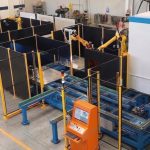
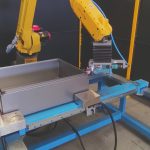
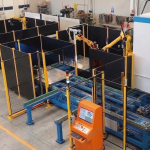
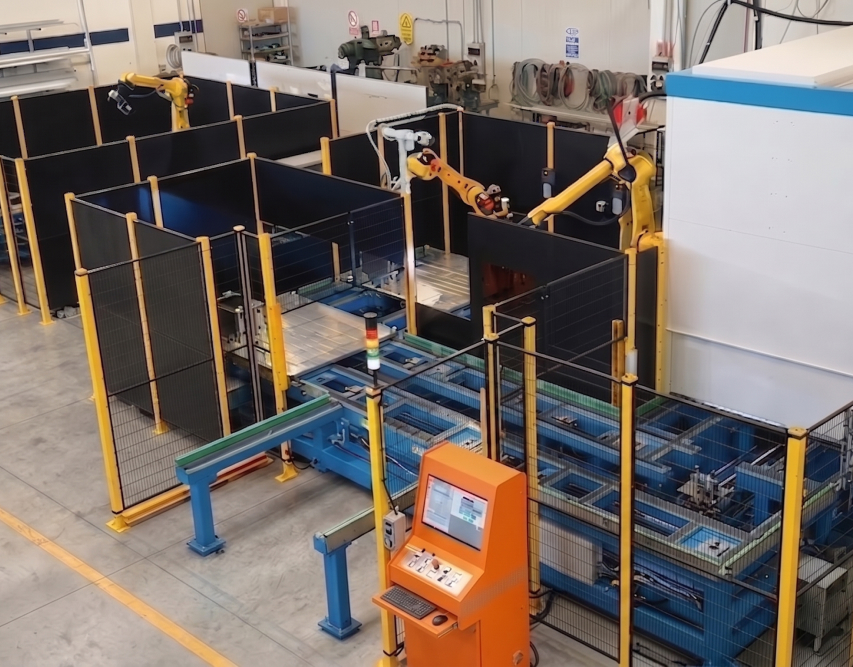
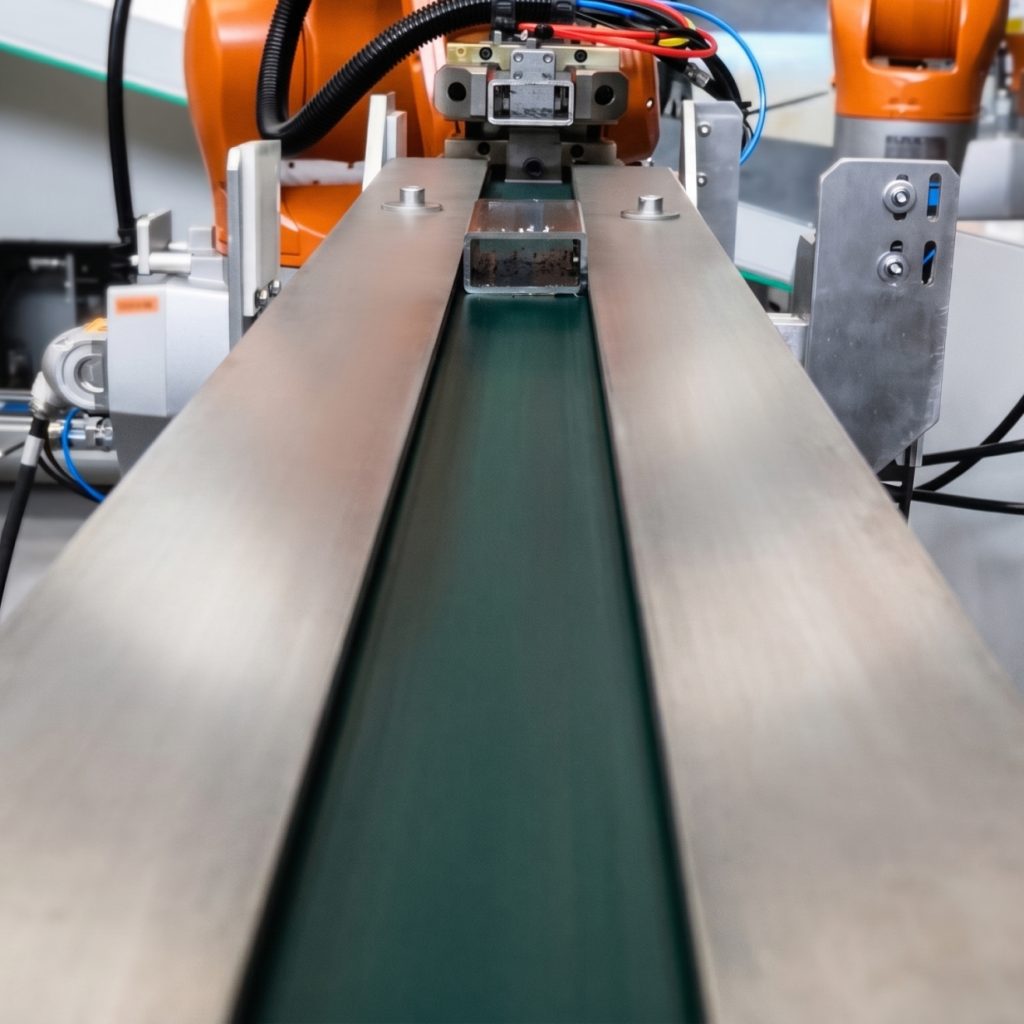
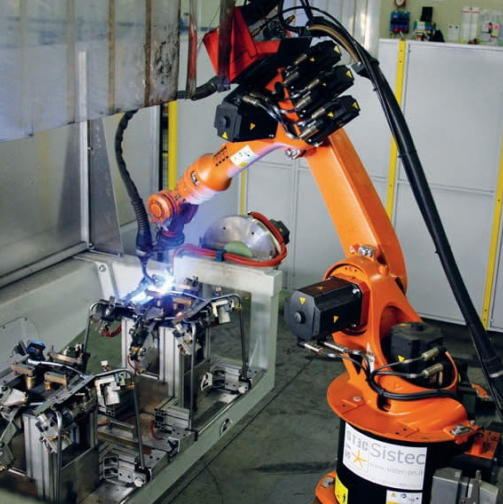
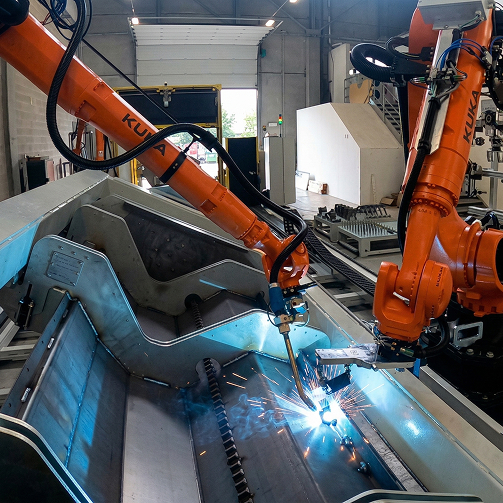
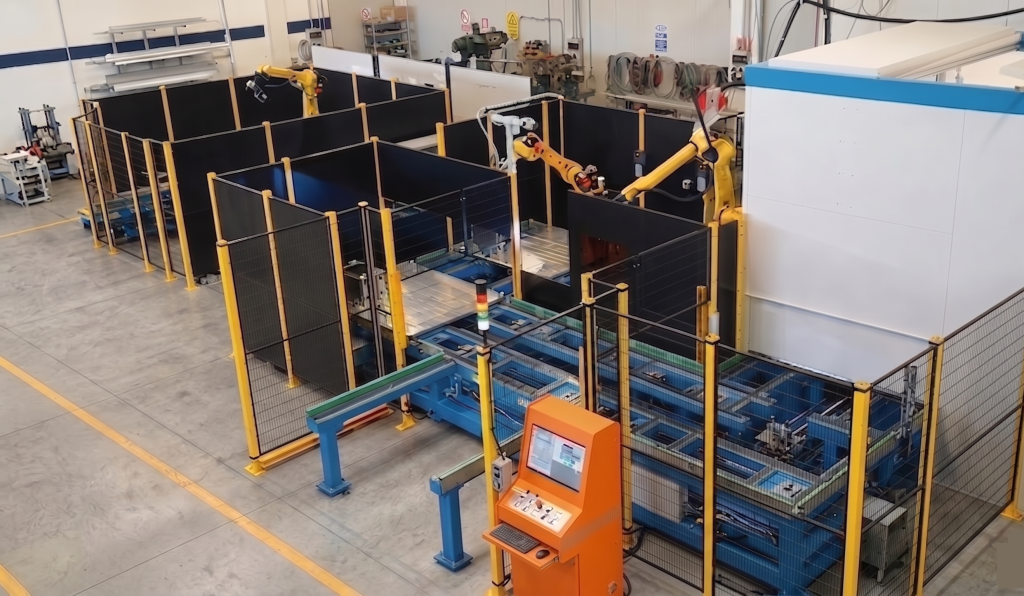
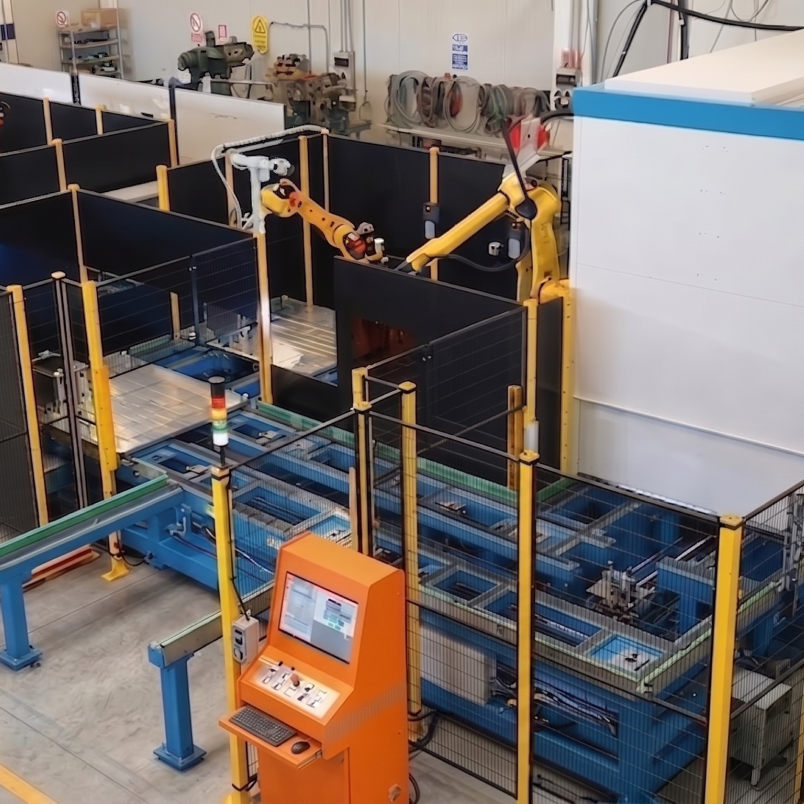
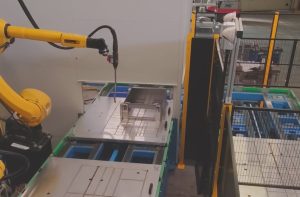
The infrastructure is based on a flexible robotic cell that combines cutting-edge joining and finishing technologies:
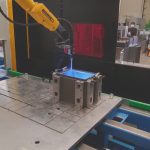
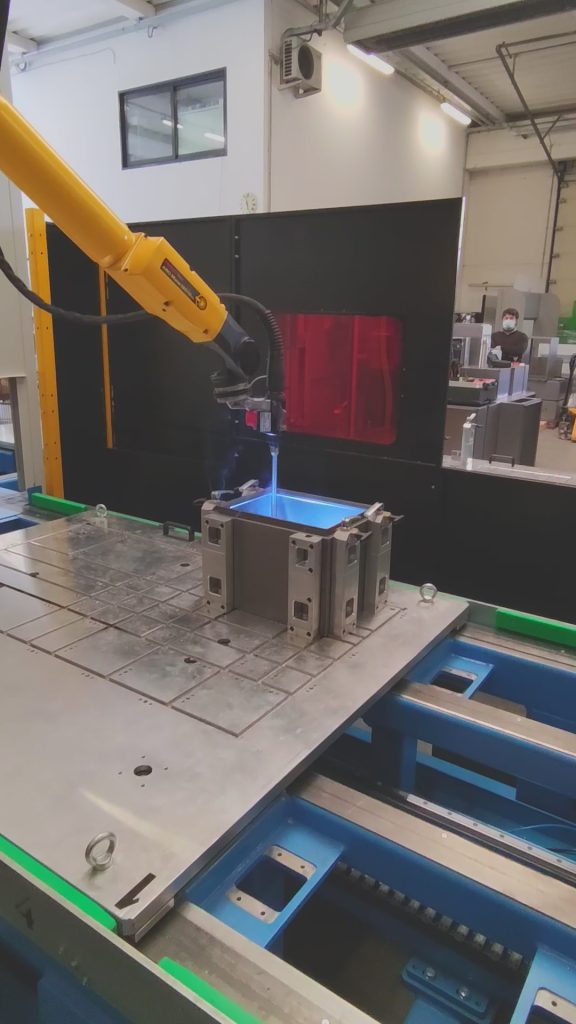
- LASER – MIG – CMT Welding: integration of low heat-input processes to ensure maximum structural precision and reduce deformation on thin materials.
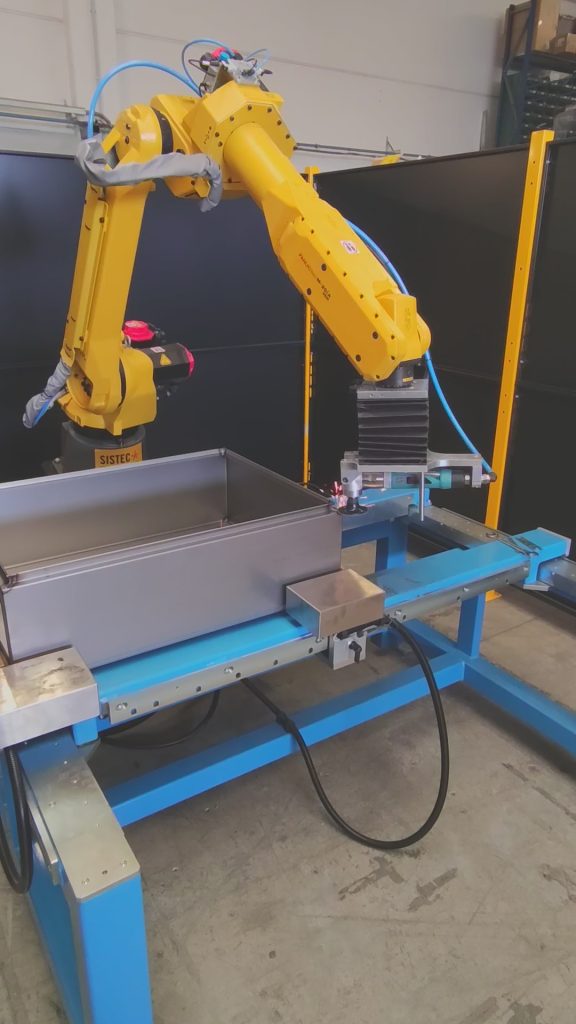
- Stud Welding: a rapid fastening system for studs and inserts with millimeter positioning managed by the robot.
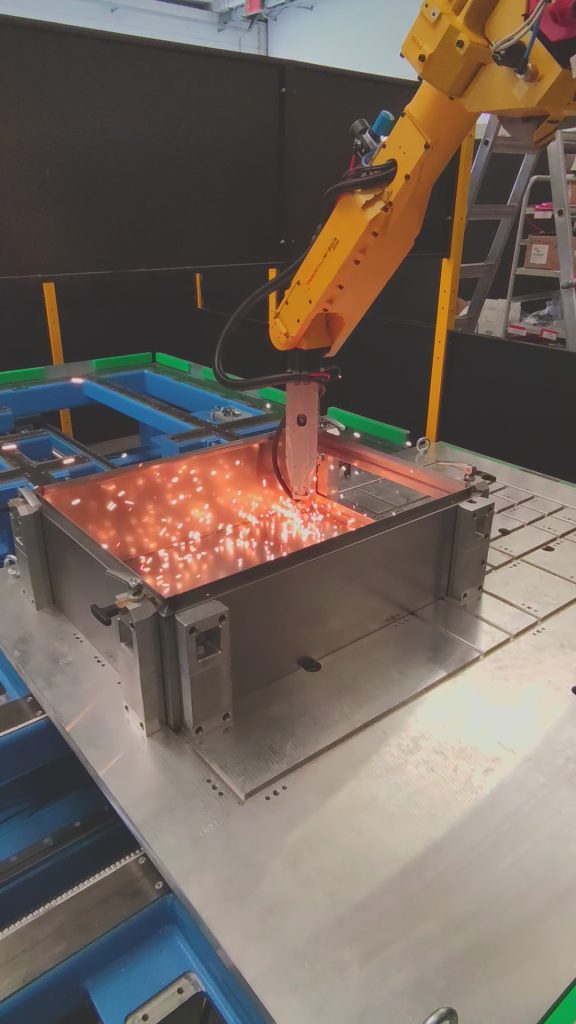
- Automated Grinding: an integrated grinding and finishing station to eliminate imperfections and make the product ready for subsequent treatments without manual intervention.
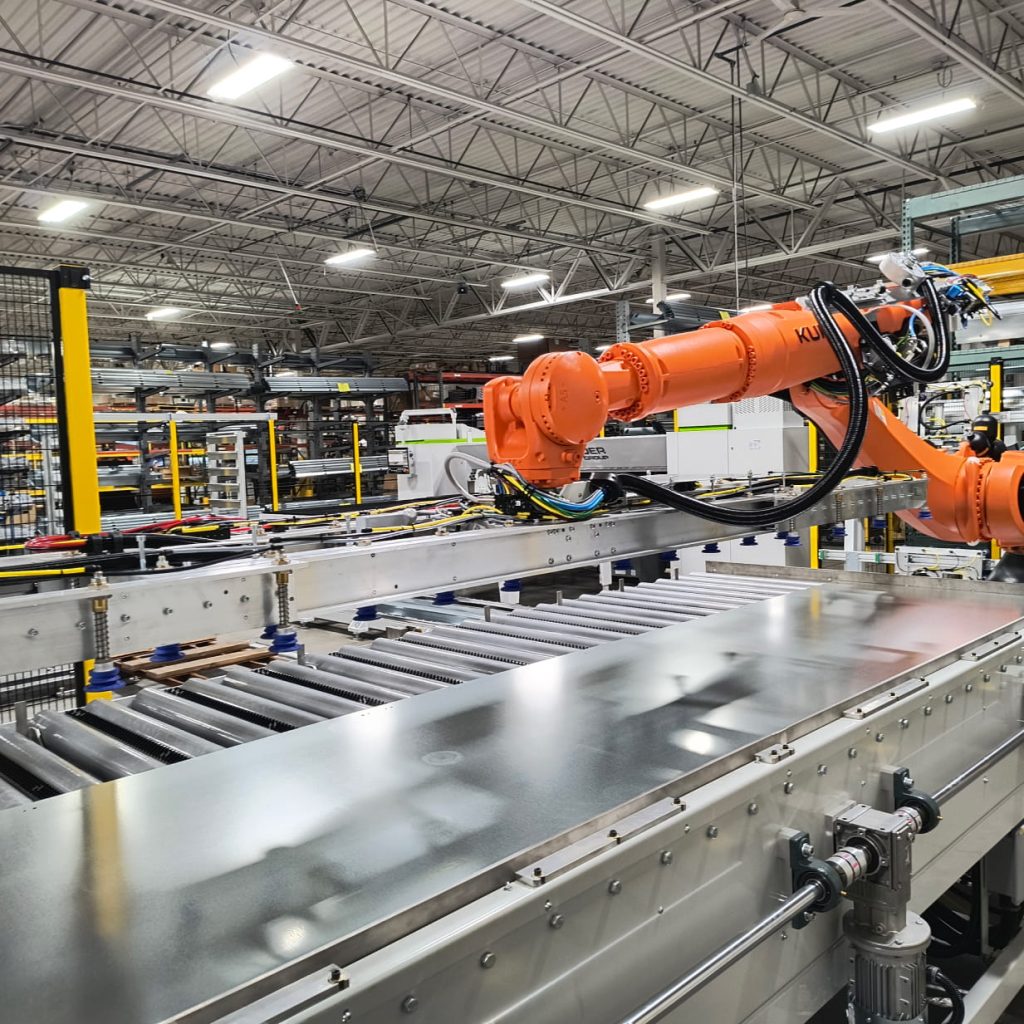
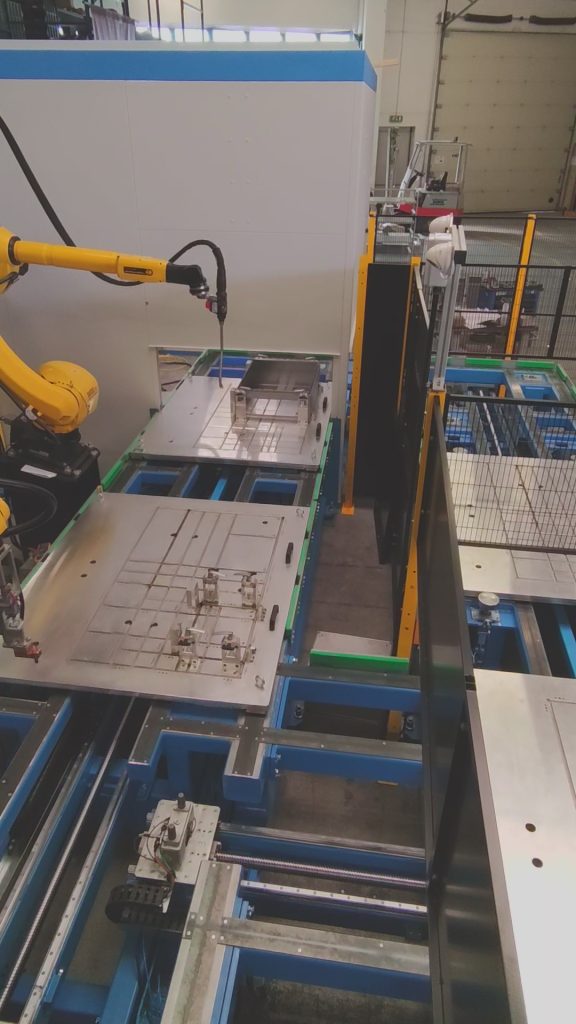
- Palletized Handling System: intelligent load management to ensure non-stop productivity and optimized internal logistics.
Results and value generated
The transition to an integrated production model has generated a measurable competitive advantage:
- Millimetric precision: total control over the welding and grinding phases, with a drastic reduction in waste and rework.
- Workflow optimization: the synchronization of the four technologies eliminates the typical bottlenecks of traditional metal fabrication.
- Real-time response: operational flexibility that allows for the fulfillment of small batches and prototypes with the same efficiency as mass production.