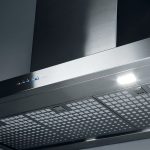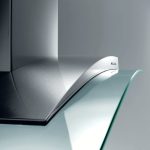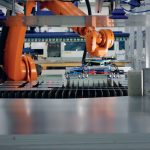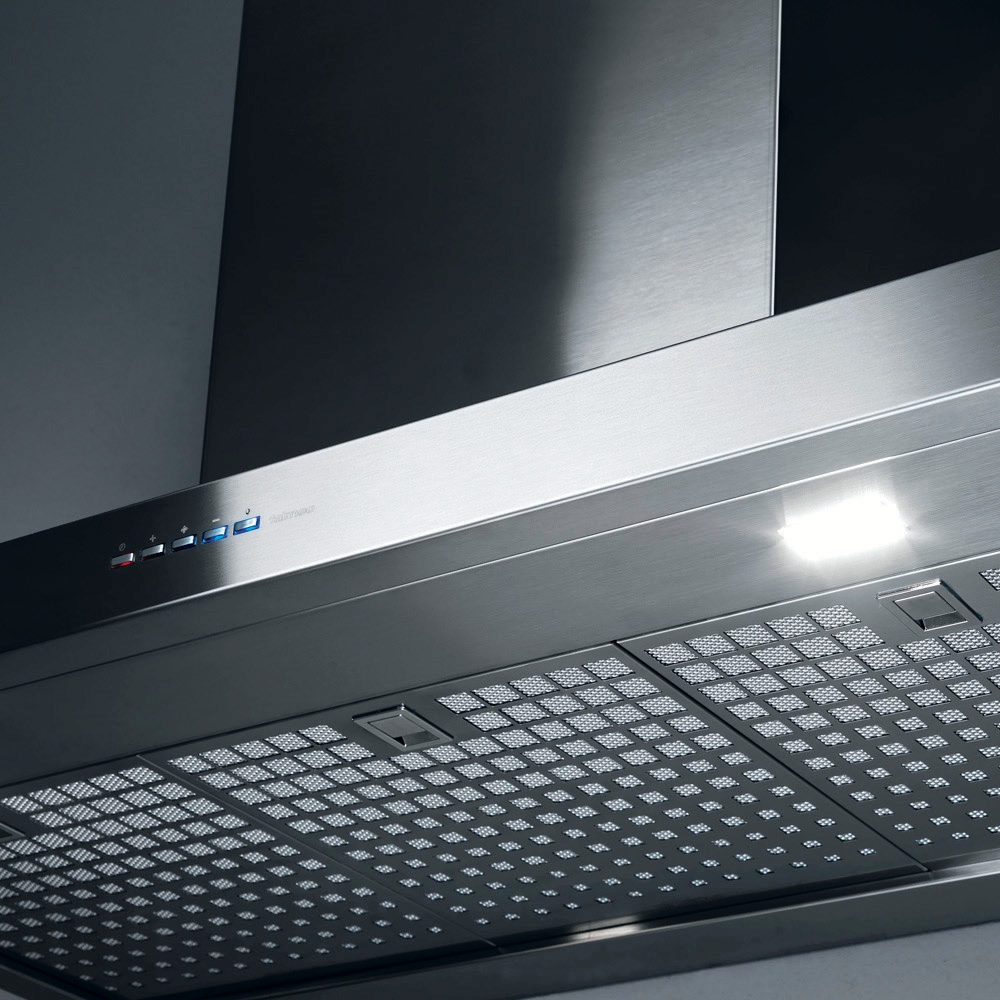
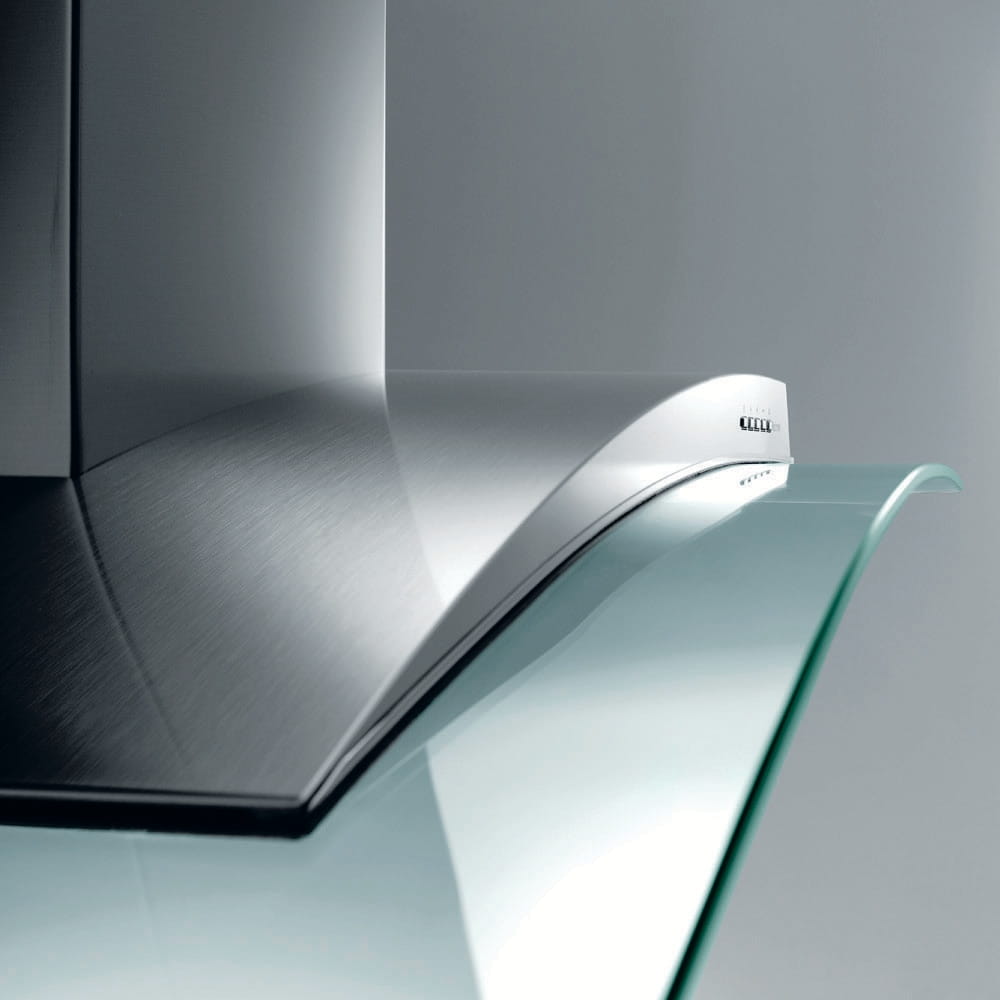
A global benchmark in the premium kitchen hood market has chosen to revolutionize the core of its manufacturing process by integrating a robotic sorting system directly downstream of the laser cutting process.
This technological evolution has transformed a historically critical phase into a strategic competitive advantage, enabling the company to:
- Enable 24/7 Production: Thanks to automation, the company has successfully implemented a fully unattended night shift.
- Eliminate Aesthetic Defects: Robotic handling ensures the total integrity of components—a crucial factor for products where design and surface finish are top priorities.
- Streamline Workflows: The direct transition from cutting to part separation has eliminated bottlenecks, raising the efficiency standards of the entire facility.
“The integration of robotic sorting hasn’t just accelerated processes; it has redefined the value of time. It allows production to continue in total autonomy with surgical precision, even in the absence of operators.”
Business challenges
For a brand that has made design and surface perfection (AISI 304 stainless steel) its trademark, the challenges were ambitious:
- Preserving aesthetic quality: manual parts handling caused micro-scratches and defects, leading to costly waste.
- Plant saturation: the need to expand production capacity by introducing night shifts without increasing fixed labor costs.
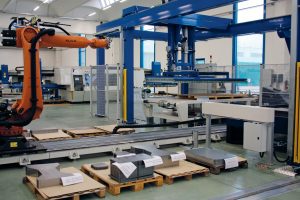
- Logistical complexity: managing highly varied nestings (small batches of different products on the same sheet) made manual sorting slow and prone to errors.
The strategic solution
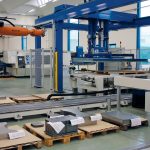
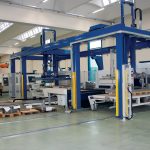
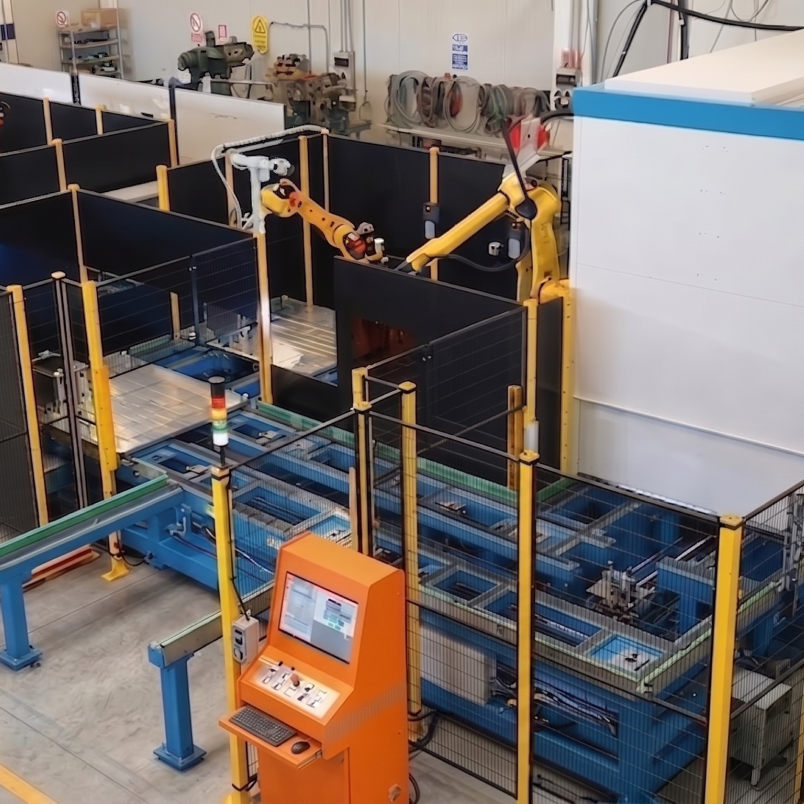
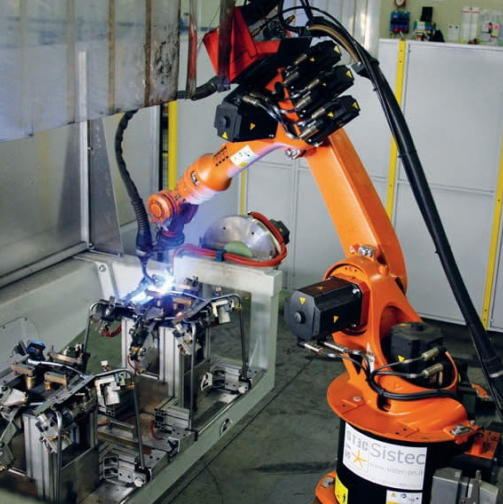
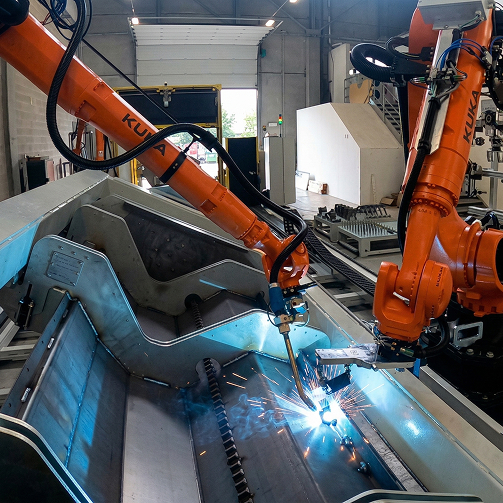
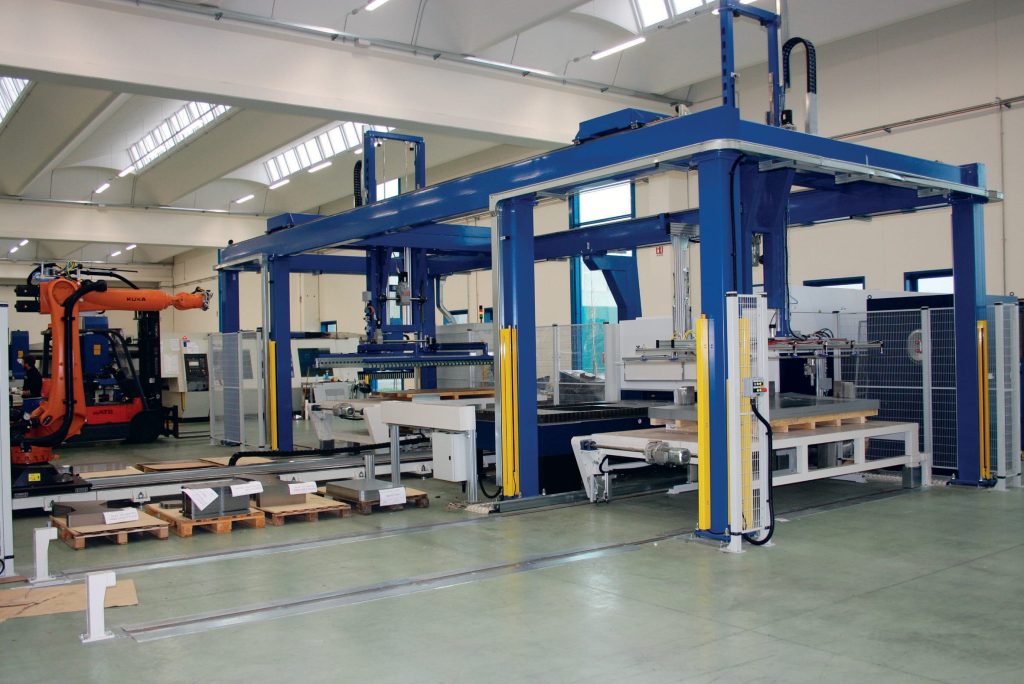
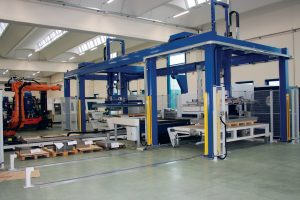
A Smart Manufacturing Cell was designed that goes beyond simple cutting, managing the entire flow of semi-finished products through advanced automation:
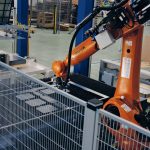
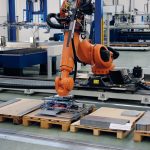
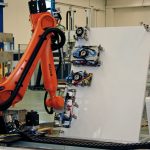
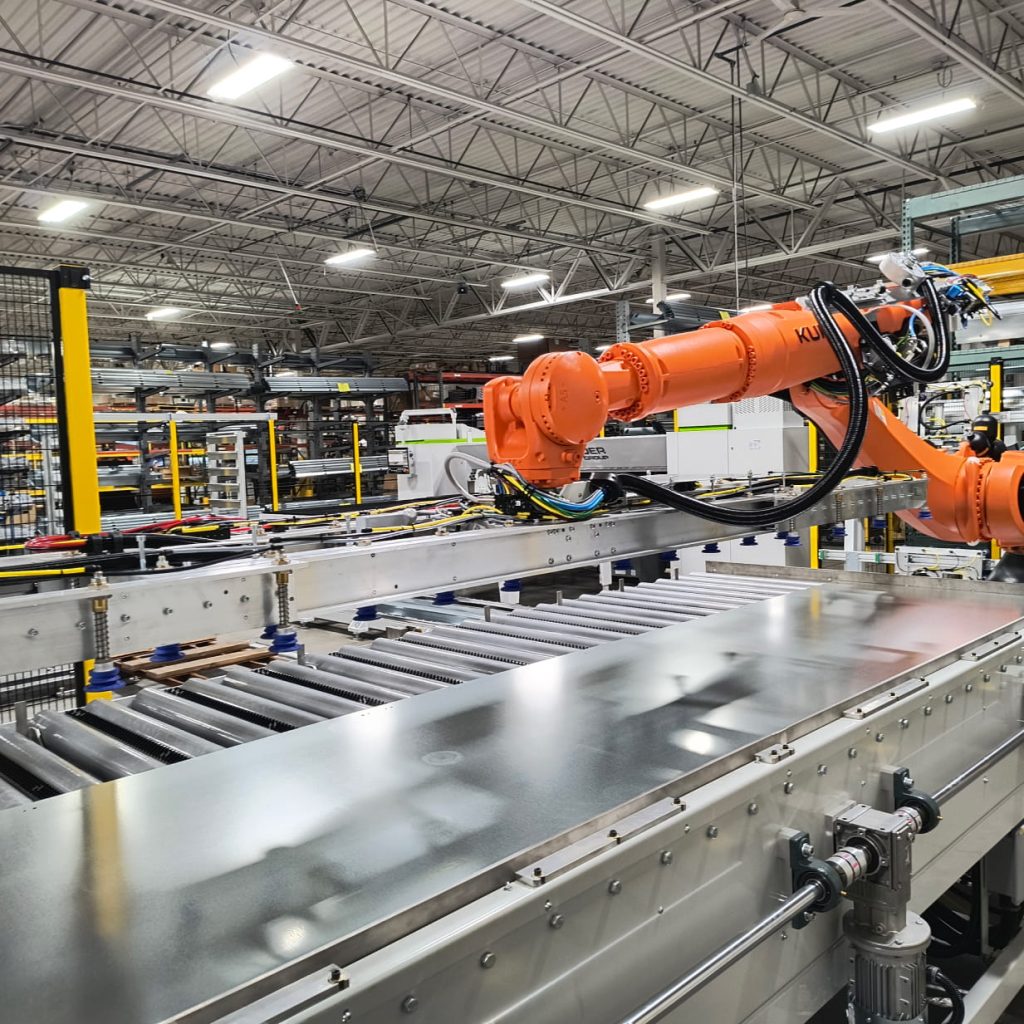
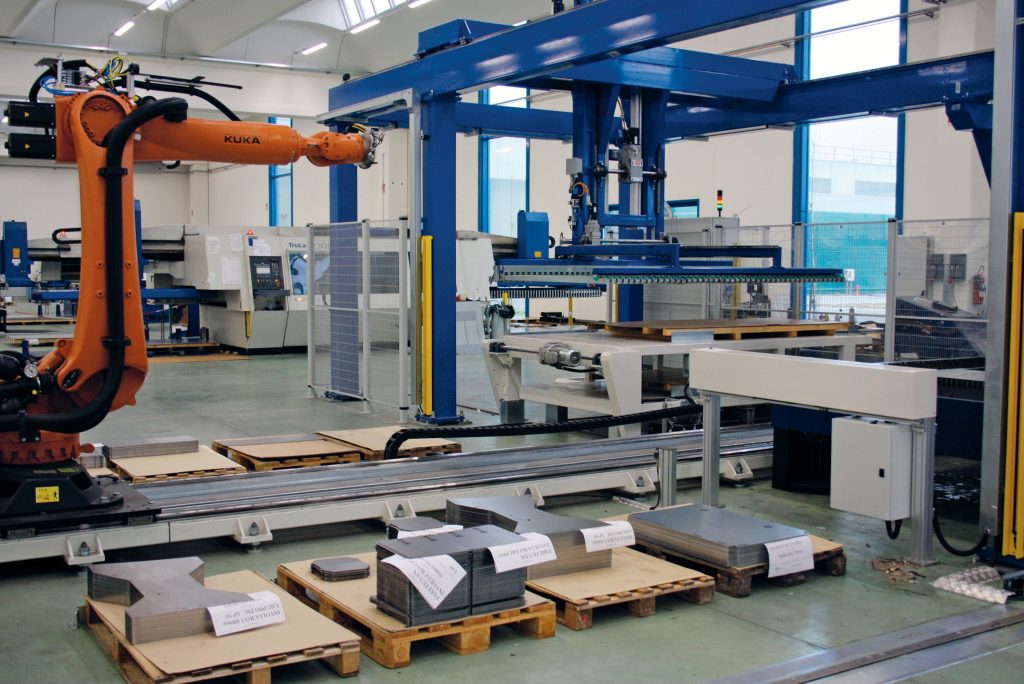
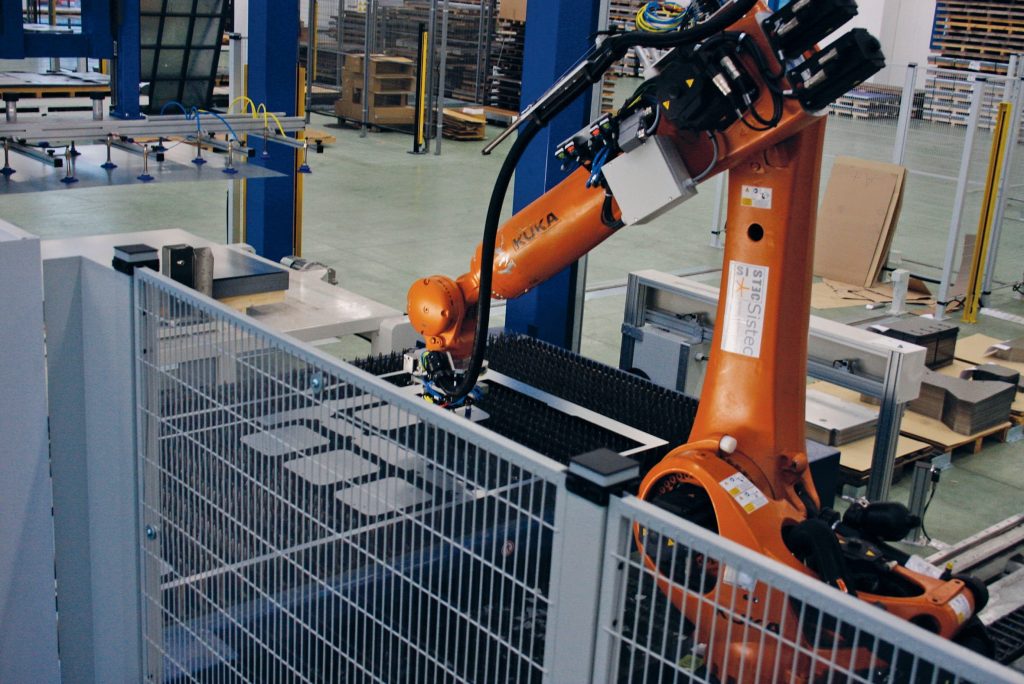
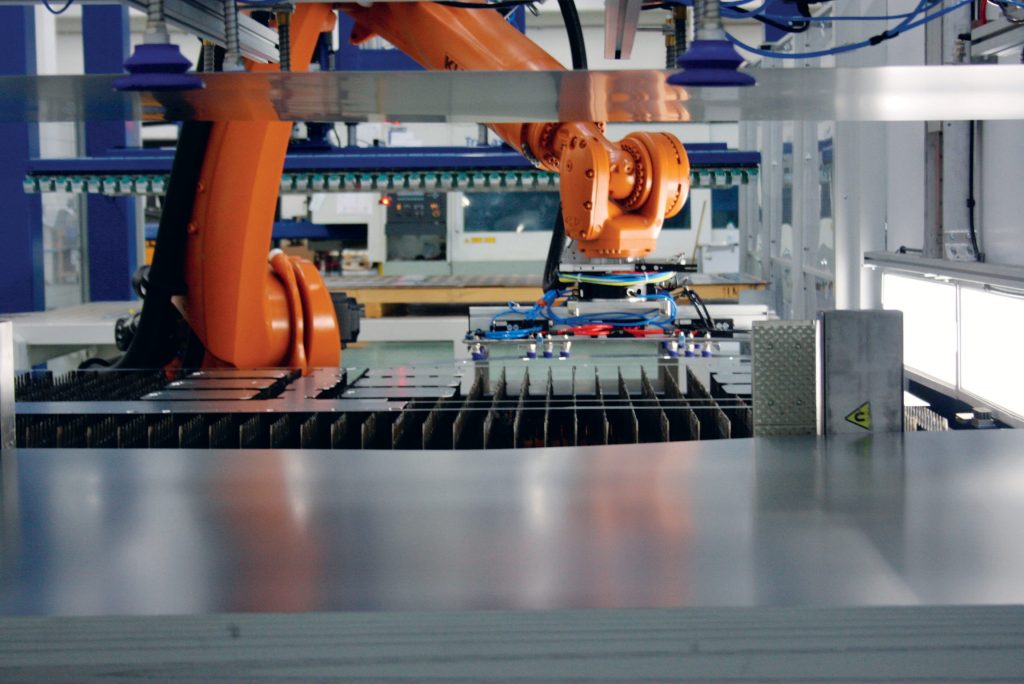
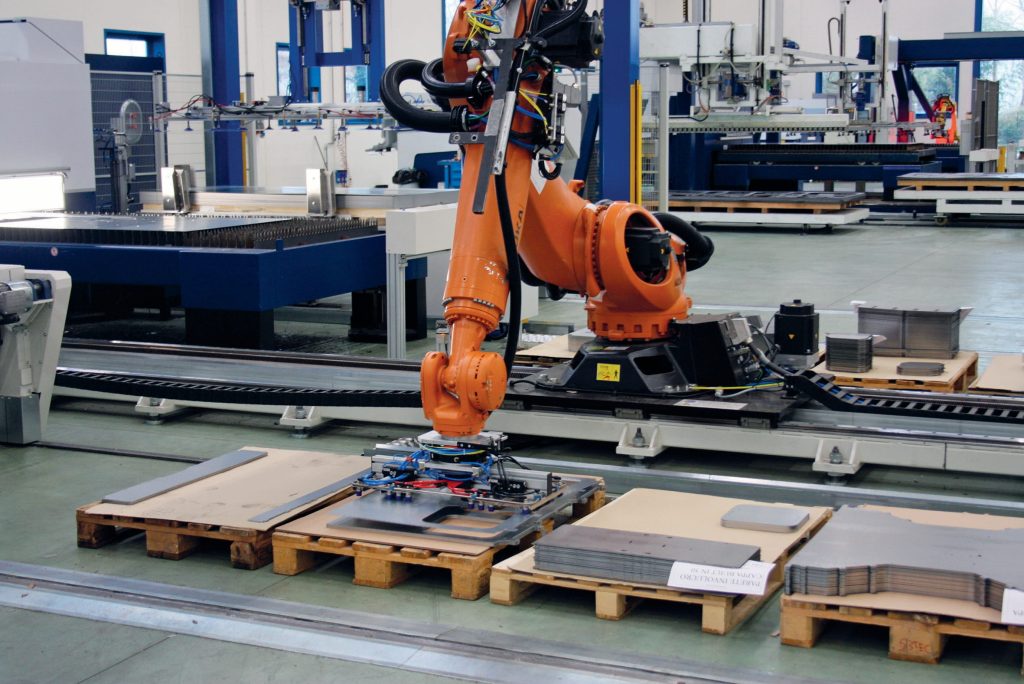
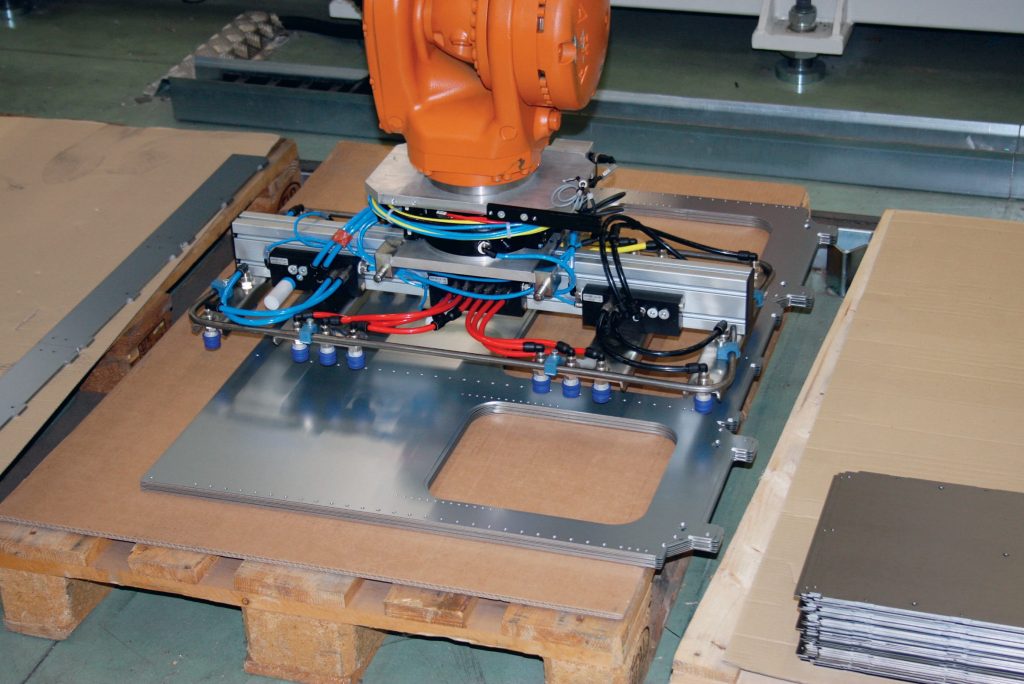
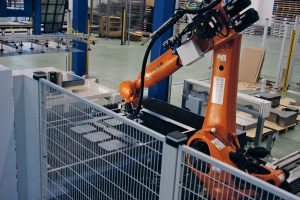
- Intelligent robotic sorting: a KUKA KR QUANTEC robot individually picks the cut parts and sorts them with millimeter precision onto 24 different pallets.
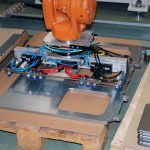
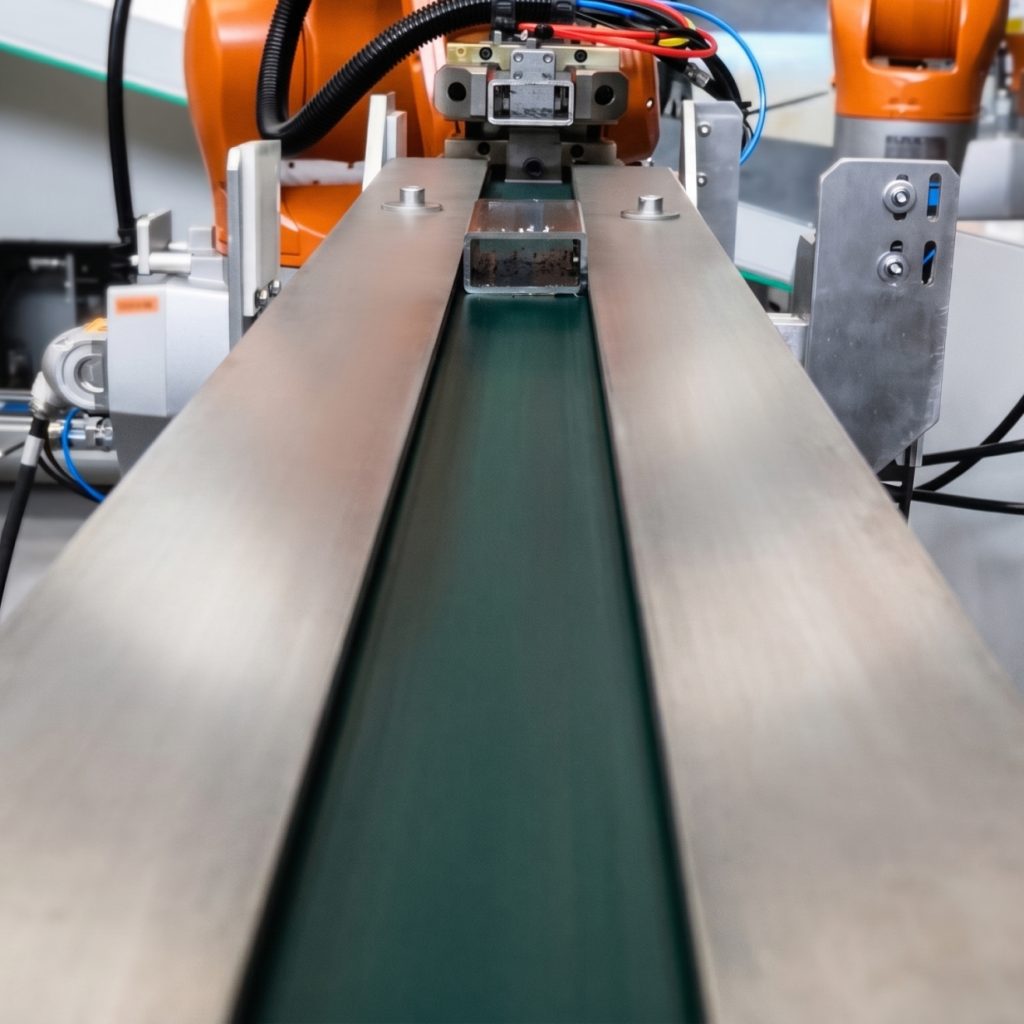
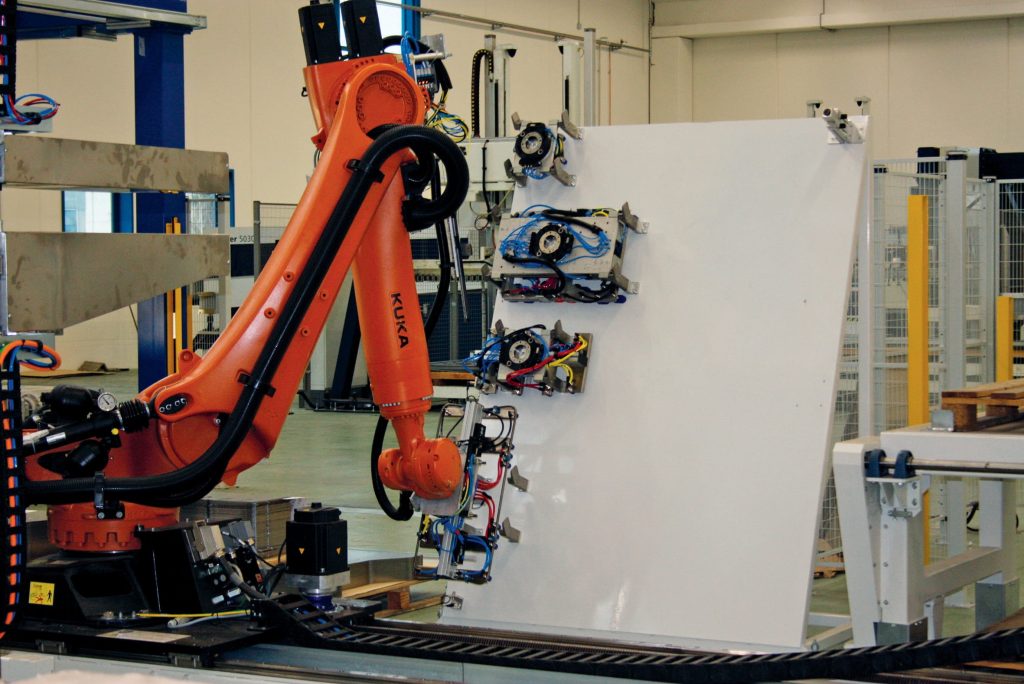
- Automatic gripper management: the system autonomously selects and configures the most suitable gripping tool for the part’s geometry, operating in “hidden time.”
- Artificial Vision for Zero Waste: an integrated vision system monitors scrap quality and autonomously decides how to manage unloading to ensure total reliability during the night cycle.
- Integrated sheet reverser for downstream processes: parts are flipped and stacked with the burr facing the correct direction to optimize the subsequent deburring phase, saving precious time in downstream processing.
Results and added value
The engineering approach shifted the focus from “pure speed” to global process efficiency:
- Unmanned production: introduction of a reliable night shift, drastically increasing daily output without human supervision.
- Elimination of waste: thanks to robotic sorting, friction scratches have been eliminated, protecting the value of high-end materials.
- Total flexibility (just-in-time): the ability to manage small batches and complex nestings with the same efficiency as large-scale production.
- Labor optimization: staff have been freed from alienating sorting tasks and repositioned into higher value-added phases.
Technical architecture and performance
The implemented technological ecosystem integrates the best industrial automation solutions to guarantee a continuous, error-free production cycle:
- High-tech configuration: native integration between the TRUMPF laser cutting system, the KUKA KR QUANTEC robot handling unit, and a high-speed cartesian system.
- Maximum logistical capacity: a dedicated area with 24 automatic palletizing stations, allowing for the simultaneous management of a wide range of product codes and differentiated batches.
- Smart handling & gripping: an automatic gripper warehouse that enables the system to autonomously reconfigure itself in real-time, adapting to any part geometry without manual intervention.
- Downstream process optimization: an integrated sheet reverser system, designed to correctly orient semi-finished products and drastically simplify subsequent deburring and finishing operations.